Blog

Why DIY Chair Upholstery Repairs Often Fail

You watch a YouTube tutorial that makes chair upholstery look simple. The person in the video removes old fabric, adds new material, and creates a beautiful result in just 15 minutes. You think, “I can do that too.”

Three hours later, you’re surrounded by wrinkled fabric, crooked staples, and a chair that looks worse than when you started. This scenario plays out in homes across Dubai every week. Chair upholstery seems straightforward until you actually try it yourself.

The Hidden Complexity Behind Simple-Looking Work

Chair upholstery repair looks deceptively easy when experts do it. They make smooth movements appear effortless. What you don’t see is the years of practice behind those movements.

Professional upholsterers understand fabric grain direction. They know how much tension to apply during stretching. They recognize which staple types work for which materials. These details seem minor, but determine whether upholstery looks professional or homemade.

Wrong Tools Make Everything Harder

Home toolboxes rarely contain proper upholstery equipment. You might have a regular staple gun, but commercial chair upholstery services use pneumatic staplers that deliver consistent pressure and depth.

Regular staple guns create problems. They lack the power to drive staples fully into hardwood frames. Staples stick out slightly, creating bumps under the fabric. Or they sink too deep, tearing material. You waste time removing misplaced staples and trying again.

Fabric Selection Goes Wrong Frequently

Walking into a fabric store feels overwhelming. Hundreds of options exist, but which ones actually work for chair upholstery in Dubai? Climate plays a huge role here. Materials that work in cooler regions might fail in the UAE’s humidity and temperature.

Cotton looks beautiful but stains easily and fades quickly in bright sunlight. Polyester blends resist staining better but can feel hot against the skin. Leather seems durable until you realize that different leather grades behave completely differently during installation.

Pattern Matching and Alignment Challenges

Solid color fabrics hide mistakes better than patterns. But patterns are where DIY projects really fall apart. Stripes, plaids, and prints must align across seams and around corners.

Professional upholsterers plan fabric placement before cutting. They consider where seams fall and how patterns flow across the chair’s shape. This planning prevents situations where stripes run at odd angles or patterns don’t match at obvious seam locations.

Padding Replacement Gets Overlooked

Many DIY projects focus only on replacing visible fabric. But if your chair’s padding has compressed or shifted, new fabric over old padding looks lumpy and uneven.

Chair upholstery repair often requires padding evaluation and replacement. Foam density matters. Too soft, and the chair feels unsupportive. Too firm and it’s uncomfortable. Finding the right density for your specific chair type and use pattern takes knowledge.

Structural Issues Get Ignored

Sometimes what looks like an upholstery problem actually stems from frame damage or broken springs. You remove old fabric and discover cracked wood or collapsed webbing underneath.

Professional services evaluate structural integrity before starting upholstery work. They repair frame joints, replace broken springs, and re-tension webbing systems. These repairs ensure upholstery sits on solid foundations.

When to Choose Professional Chair Upholstery

If your chair has sentimental value, professional work makes sense. You don’t want to risk ruining a family heirloom by learning upholstery skills.

High-value chairs deserve expert attention. That designer dining set or antique accent chair will lose value with poor-quality DIY work. Professional restoration maintains or increases furniture value.

Complex chairs with curves, tufting, or detailed patterns exceed DIY skill levels. Dining chairs, restaurant chairs, or bed upholstery often include these challenging features. Experienced upholsterers handle complexity that defeats beginners.

When a Cushion Foam Change Is Better Than Buying New Furniture

Your sofa looks fine from the outside. The fabric still has its color. No visible tears or stains. But sitting on it feels different now. You sink too deep. Your back doesn’t get the support it used to give. The cushions have lost their shape.

Most people think this means buying new furniture. That’s not always true. Often, a simple cushion foam change brings your sofa back to life at a fraction of the cost.

Let’s talk about when replacing foam makes more sense than replacing furniture.

Understanding What Happens to Sofa Foam Over Time

Foam cushions don’t last forever. Daily use gradually breaks down the material. The cells inside the foam compress and lose their ability to bounce back.

Most sofa foam needs replacement after 5-7 years of regular use. Some signs appear earlier. Sagging happens when foam loses density. Uneven seating means different sections wear at different rates. Feeling the frame through the cushions shows foam has thinned significantly.

Environmental Reasons to Choose Foam Replacement

Furniture waste fills landfills. A typical sofa contains wood, metal springs, foam, fabric, and sometimes plastic components. Most don’t decompose easily.

Dubai produces significant furniture waste annually. When you throw out a structurally sound sofa just because the cushions feel soft, you’re adding to that problem unnecessarily.

Cushion foam replacement Dubai services keep furniture functional longer. This reduces waste. The old foam gets disposed of properly while your sofa frame continues serving its purpose.

Quality and Comfort Advantages of Custom Foam

Here’s something many people don’t realize. When you buy cushion foam separately, you often get better quality than the original manufacturer’s foam.

Sofa manufacturers typically use medium-density foam as standard. It keeps production costs manageable. When you replace foam independently, you choose the exact density and firmness you prefer.

Want firmer seating? High-density foam provides that. Prefer softer cushions? Lower density works. Need different firmness for back cushions versus seat cushions? Custom foam replacement allows this.

Preserving Sentimental Value and Design Preferences

Some furniture holds meaning beyond function. Maybe your sofa came from your family. Perhaps it matches your interior design perfectly. The style might not be available anymore.

Replacing such pieces feels wrong even when the cushions wear out. Sofa foam replacement solves this problem elegantly.

The exterior remains unchanged. Your familiar sofa stays in place. Only the internal comfort layer gets renewed. It looks the same but feels new again.

The Process Is Simpler Than You Think

Many people avoid cushion foam because they assume it’s complicated. It’s actually straightforward with professional help.

Services in Dubai typically work this way. You contact them with sofa details. They visit your home to assess the cushion condition and take measurements. You discuss foam options and preferences.

Online sofa cushion foam replacement services make this even easier. Companies like Repair Sofa Dubai let you browse foam options online. You can compare densities, read descriptions, and select what you need from home.

When Should You Buy New Furniture Instead?

Foam replacement isn’t always the answer. Some situations genuinely require new furniture.

If your sofa frame shows damage, replacement makes sense. Cracked wood, broken joints, or damaged springs need structural repairs that cost significantly. At that point, buying new becomes comparable in price.

Style changes matter too. If you’re redesigning your space completely, keeping old furniture might not fit the new aesthetics. Foam replacement won’t change how furniture looks.

Frame Damage in Sofas: Signs You Need Immediate Sofa Repair

Your sofa suddenly feels different when you sit down. Maybe it wobbles slightly. Perhaps you hear creaking sounds that weren’t there before. These aren’t just normal wear and tear signs. They could indicate serious frame damage that needs attention quickly.

Frame damage is one of those problems people often ignore until it becomes much worse. Understanding the warning signs helps you catch issues early, when sofa repair costs less and takes less time.

Clear Signs Your Sofa Frame Needs Repair

Wobbling ranks as the most obvious warning sign. Set a glass of water on your sofa arm. If it moves when someone sits down, your frame likely has loose joints or cracked wood.

Sagging seats often indicate frame problems, not just worn cushions. Press down on different seating areas. If one section sinks much lower than others, the frame beneath probably has damage.

Visible cracks in wooden parts are serious red flags. Check sofa legs, arms, and any exposed frame sections. Small cracks grow larger under continued weight and stress.

Why Does Frame Damage Happen?

Daily use naturally stresses sofa frames. People sitting heavily, children jumping, and general movement all take their toll. Over the ears, this constant pressure weakens joints and can cause cracks in wood.

Moving furniture improperly causes immediate damage. Lifting sofas by their arms or dragging them across floors puts stress on connections that weren’t designed for that force.

Dubai’s climate creates unique challenges. Temperature fluctuations between the air-conditioned indoors and the hot outdoors make wood expand and contract. This movement weakens glue joints and can cause splitting.

Immediate Risks of Ignoring Frame Damage

Small cracks become large breaks. What starts as a hairline fracture spreads under continued use. Suddenly, a minor repair becomes a major reconstruction project.

Safety concerns arise with badly damaged frames. Broken frames can collapse unexpectedly. This risks injury, especially for children or elderly family members who might not react quickly.

Connected damage happens, too. Broken frame,s stress springs, and webbing systems. What starts as frame repair expands to include broken springs adjustment and webbing replacement as well.

What Professional Sofa Repair Actually Involves

Professional repair starts with a thorough assessment. Technicians examine the entire frame structure, not just obvious problem areas. Hidden damage often exists alongside visible issues.

Sofa repairing services in Dubai typically disassemble affected sections. They can’t fix internal frame problems while upholstery and cushions remain in place. Removal allows proper access to damaged wood.

Broken pieces get reinforced or replaced. Small cracks receive wood glue and clamping. Larger breaks need sister boards for support. Complete breaks require new wood sections custom-fitted to match existing frame dimensions.

Finding Reliable Repair Services in Dubai

Dubai has numerous furniture repair options, but quality varies significantly. Look for services with experienced craftsmen who specialize in structural repairs, not just upholstery work.

Areas like Arabian Ranches, Damac Hills, and Dubai Hills have many furniture repair services due to high residential density. However, good repair companies serve all Dubai locations, including Al Barsha, Silicon Oasis, and Downtown Dubai.

Services offering webbing replacement and broken springs adjustment alongside frame repairs demonstrate comprehensive capability. Frame damage rarely exists in isolation; connected systems usually need attention, too.

How to Protect Outdoor Wooden Furniture in Rainy and Humid Climates

Outdoor wooden furniture adds beauty to any garden or patio. However, rainy and humid weather can damage wood quickly. The UAE experiences high humidity levels throughout the year. This makes protecting wooden furniture essential for homeowners.

Wood naturally absorbs moisture from the air. When humidity levels stay high, the wood swells and expands. This causes cracks, warping, and structural damage over time.

Choose the Right Type of Wood

Some wood types handle humidity better than others. Teak wood furniture contains natural oils that repel water. This makes it an excellent choice for outdoor use. Acacia and eucalyptus also resist moisture damage effectively. Cedar wood naturally fights against rot and insect damage. Softwoods like pine need more frequent maintenance in humid climates.

Apply Protective Sealants Regularly

Sealants create a protective barrier on the wood surface. This barrier prevents moisture from entering the wood. Wood sealant products come in different types, including oil-based and water-based options.

Clean the furniture thoroughly before applying any sealant. Remove all dirt, dust, and old finish. Let the wood dry completely for at least 24 hours. Apply thin, even coats with a brush or clean cloth.

Reapply sealant every six months for best results. This routine maintenance keeps the protective layer strong. Check the furniture after heavy rains to see if reapplication is needed sooner.

Use Waterproof Furniture Covers

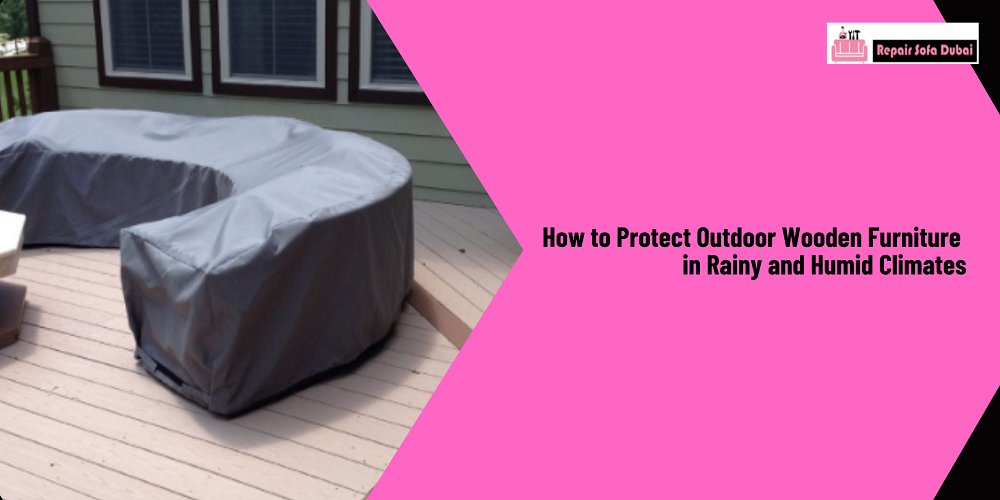
Quality covers protect furniture from direct rain exposure. Waterproof furniture covers should fit snugly but allow air circulation. Trapped moisture under tight covers can cause mould growth.

Remove covers on sunny days to let the furniture breathe. This prevents condensation buildup underneath. Choose covers made from breathable materials that resist UV damage.

Store covers properly when not in use. Clean and dry them before folding to prevent mildew. Replace worn covers that no longer provide adequate protection.

Watch for Early Signs of Damage

Regular inspections help catch problems before they become serious. Look for these warning signs:

  • Small cracks or splits in the wood surface
  • Soft, spongy areas that indicate rot
  • Dark discolouration or water stains
  • Loose joints or unstable connections
  • Peeling or flaking finish

Elevate Furniture Off the Ground

Place furniture on stands or feet that lift it off wet surfaces. This prevents water from pooling around the base. Better air circulation underneath helps the wood stay dry. Use furniture pads or coasters under legs. Replace damaged pads that no longer provide proper elevation.

Position Furniture Strategically

Place wooden furniture in areas with natural shelter when possible. Trees and pergolas provide shade from direct sun. Covered patios offer protection from rain while allowing outdoor enjoyment.

Rotate furniture positions occasionally to ensure even sun exposure. This prevents uneven fading and weather damage. Moving pieces also helps identify problem areas in the garden.

The Long-Term Benefits of Protection

Proper outdoor furniture protection saves money over time. Well-maintained wooden furniture lasts many years longer than neglected pieces. Regular care prevents costly repairs or premature replacement.

Protected furniture maintains its attractive appearance season after season. The natural beauty of wood shines through when properly cared for. Outdoor spaces look better with furniture in good condition.

How to Fix Rust and Cracks With Expert Outdoor Furniture Repair

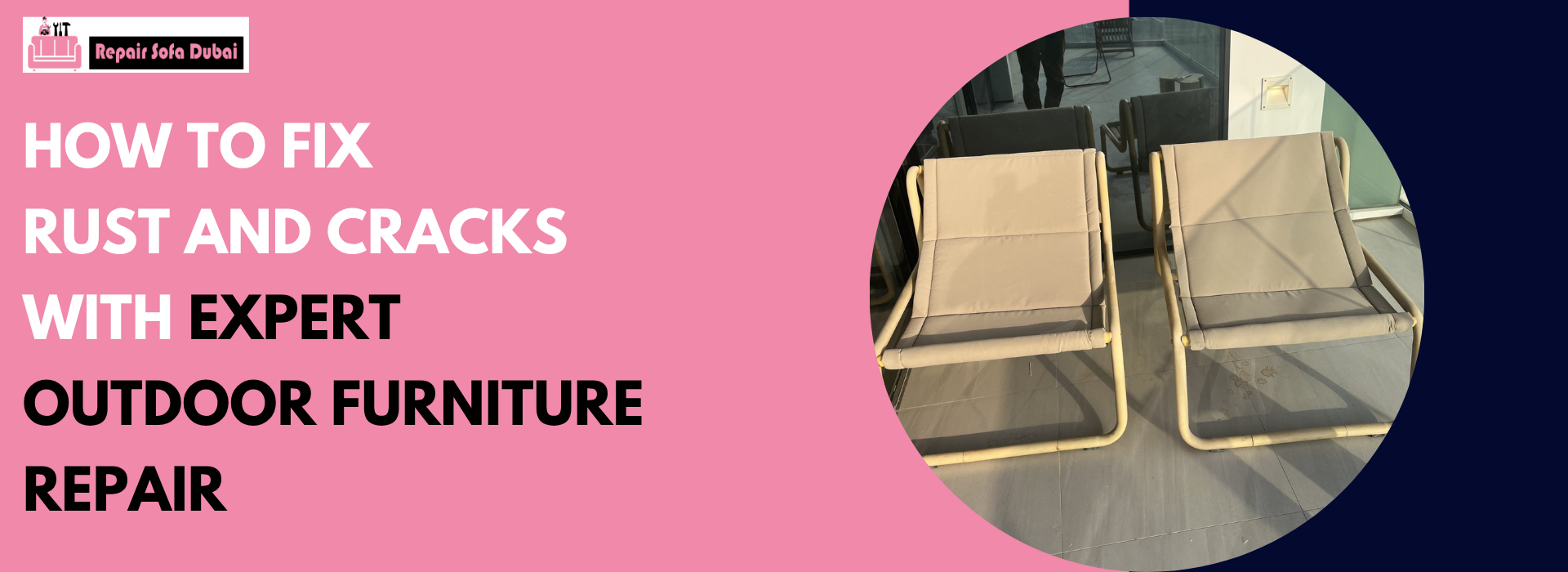
Outdoor furniture faces tough conditions every single day. The hot sun beats down on it. Rain soaks through it. Dust settles on every surface. Over time, these elements take their toll. Metal pieces start showing rust spots. Wooden furniture develops cracks. Your once-beautiful patio set starts looking tired and worn.

But most damage can be fixed. You don’t always need to throw away your outdoor furniture and buy new pieces. With the right outdoor furniture repair techniques, you can bring your garden furniture back to life.

Understanding Rust on Outdoor Furniture

Rust happens when metal meets moisture and oxygen. In places like the UAE, humidity makes this problem worse. Metal furniture is especially vulnerable to corrosion because of factors like humidity, temperature, and the quality of the metal itself. Salt in coastal air speeds up rust even more.

The rust usually starts as small brown spots. If you ignore these spots, they grow bigger. The metal gets weaker. Eventually, the rust eats through the metal completely. Rust is particularly common in humid or coastal areas, where moisture and salt quickly corrode metal surfaces.

How to Fix Rust Problems?

Fixing rust isn’t complicated, but it takes patience. Start by cleaning the rusty area with warm water and dish soap. Let it dry completely. Water left on metal will just create more rust.

Next, use sandpaper or a wire brush to remove the rust. For small spots, 120-grit sandpaper works well. For stubborn rust, try a wire brush attachment on a drill. Sand until you see clean metal underneath.

After removing the rust, clean the area again. Apply a rust converter if the rust is deep. This product stops any remaining rust from spreading. Then apply a metal primer to protect the bare metal.

Understanding Cracks in Wooden Furniture

Wooden outdoor furniture cracks for different reasons. Changes in humidity cause wood to expand and contract, creating stress that results in small surface cracks called “checks”. Direct sunlight dries out the wood. Temperature changes make the problem worse.

Some cracks are harmless. Tiny hairline cracks often appear naturally as wood ages. These don’t hurt the furniture’s strength. But wider cracks need attention before they spread.

Small surface cracks are normal and don’t affect furniture strength, but wider cracks that don’t go through the wood require filling, while structural cracks need professional help.

Fixing Small Cracks

For tiny cracks, the repair is simple. Clean the crack with a brush or compressed air. Remove all dirt and debris. Let the area dry completely.

Apply a few drops of super glue or wood glue, depending on the crack size, then immediately sand the area with 150-grit sandpaper to fill the crack with wood dust and permanently close it. This method creates a nearly invisible repair.

For slightly bigger cracks, use wood filler. Choose a color that matches your furniture. Apply the filler with a putty knife. Smooth it level with the wood surface. Let it dry overnight. Sand the area smooth once dry.

Final Thoughts

Your outdoor furniture represents a real investment. Taking care of it makes sense. Regular cleaning, prompt repairs, and proper protection keep furniture looking good for many years.

Rust and cracks don’t mean the end for your patio furniture. Most damage can be fixed with basic tools and a little effort. For serious problems, professional furniture repair services provide expert solutions.

How Chair Upholstery Services in Dubai Reduce Waste and Support Sustainability

Furniture waste creates massive problems for cities around the world every day. People throw away chairs when the fabric gets old or the padding starts sagging. Dubai faces growing challenges from furniture disposal and waste management issues.

Chair upholstery services in Dubai offer smart solutions that help reduce waste significantly. This services repair and restore old chairs instead of sending them to landfills. This approach supports environmental goals while saving money for families and businesses.

The Growing Furniture Waste Problem in Dubai

Most people buy new chairs when old ones start showing signs of wear. Fading fabric, worn padding, and small tears convince families to replace entire furniture sets. This throwaway mentality creates unnecessary waste streams throughout the city.

Dubai generates massive amounts of solid waste every year from various sources. Furniture disposal contributes significantly to landfill pressure and environmental concerns. Finding better solutions becomes more important each year.

How Chair Restoration Extends Furniture Life

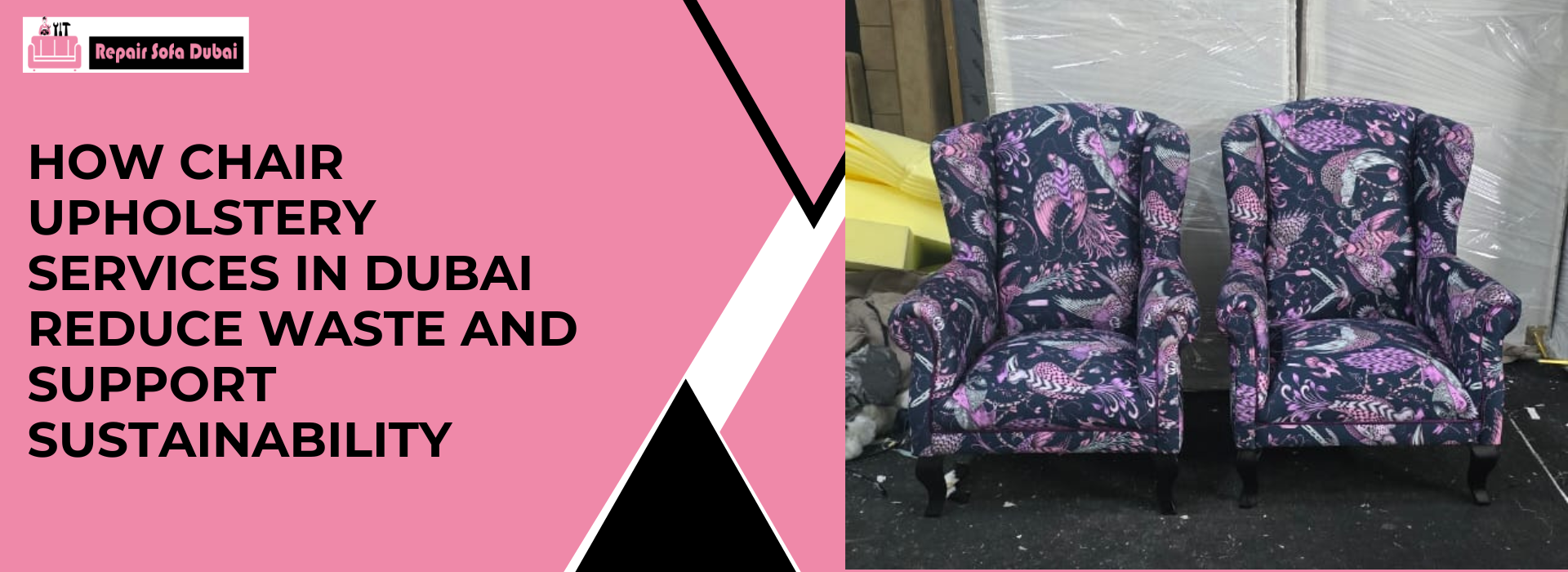
Professional chair restoration saves furniture from early disposal through expert repair techniques. Skilled workers replace worn fabric with fresh materials that look brand new. Old padding gets removed and replaced with comfortable, supportive materials.

Chair upholstery services handle various chair types, including dining chairs, office chairs, and outdoor furniture. Each restoration project prevents one piece from entering the waste stream permanently. This direct impact reduces landfill pressure significantly.

Material Reuse and Recycling Benefits

Many upholstery services salvage usable materials from damaged chairs during restoration processes. The use of recycled wood avoids the felling of trees and reduces the amount of waste in landfills. Metal springs, wooden frames, and hardware often get reused in other projects.

Fabric scraps become useful materials for smaller repair jobs or decorative elements. Professional shops organize these materials for future use rather than disposal. This systematic reuse approach maximizes resource efficiency throughout the restoration process.

Environmental Impact of Chair Manufacturing vs. Restoration

New chair production requires significant energy, water, and raw materials from multiple sources. By reusing and refurbishing office furniture, companies can help reduce the industry demand for raw materials, which decreases waste production. Manufacturing processes also create pollution and carbon emissions.

Chair restoration uses far fewer resources compared to manufacturing replacement furniture pieces. Energy consumption drops dramatically when existing frames and structures are reused effectively. Transportation emissions have decreased since restoration happens locally rather than shipping new products.

Cost Savings That Encourage Sustainable Choices

Professional chair restoration typically costs much less than buying replacement furniture of similar quality. Families save hundreds or thousands of dirhams by choosing restoration over replacement options.

Businesses benefit even more from restoration services since office furniture represents a major investment. Reupholstering conference room chairs or reception area seating costs a fraction of replacement expenses.

Dubai’s Sustainability Goals and Chair Restoration

Efforts in waste management in the UAE include converting waste to energy, treating wastewater, controlling the movement of hazardous waste, protecting the marine and coastal environment from sea dumping and reducing plastic waste.

The UAE government promotes circular economy practices across various industries and sectors. Furniture restoration aligns perfectly with these policies by keeping materials productive longer.

Choosing Quality Materials for Long-Term Results

Professional restoration uses high-quality fabrics and padding materials that last longer than cheap alternatives. Durable materials resist wear and maintain appearance over extended periods. This longevity reduces the need for frequent restoration or replacement.

Choosing the Right Replacement for Your Dining, Patio, and RV Cushions

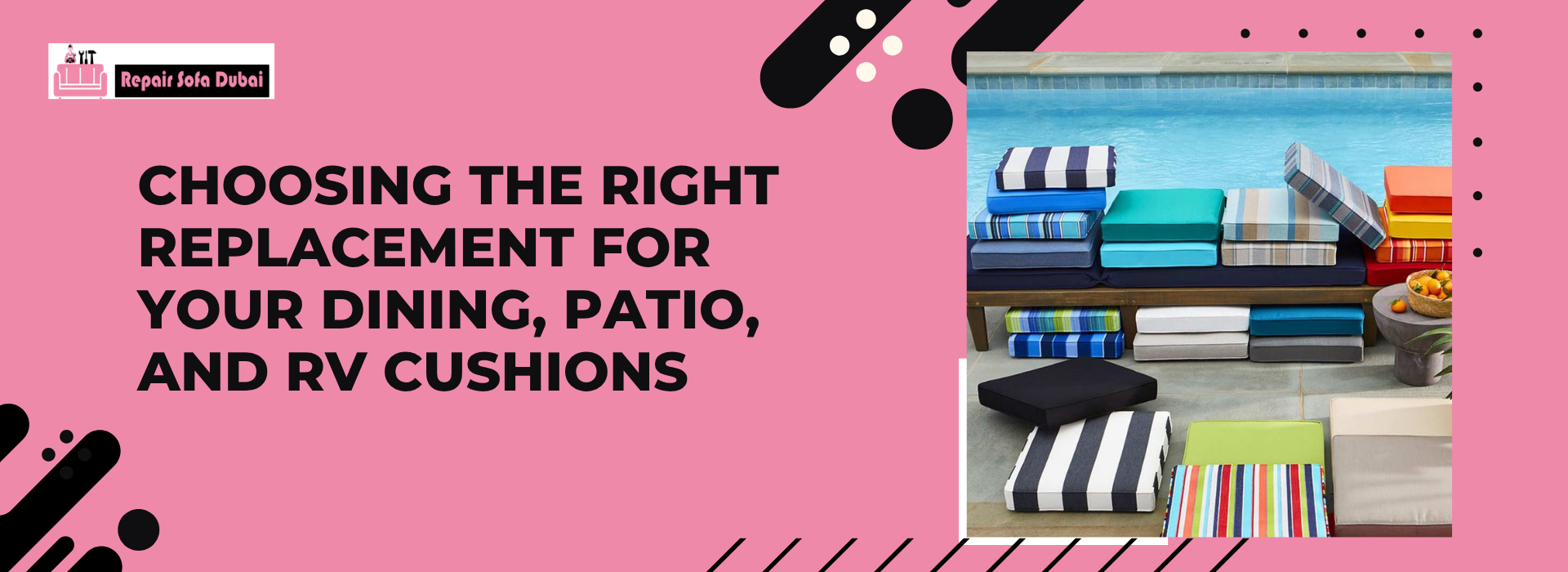
Have you ever slumped into the chair that was your favorite, and found that it no longer supports you? Be it your dining room chairs that used to host family dinners, or your patio furniture that has been damaged by too many UAE sandstorms, cushion foam replacement can restore life to your favorite furniture pieces.

Dining Chair Cushions: Comfort Meets Style

For dining chair cushion foam replacement, consider these factors:

Foam Density Matters:

Medium-firm foam (around 35-40 lbs density) works well for dining chairs. It provides support during meals without being uncomfortably hard, yet maintains its shape through regular use.

Thickness Considerations:

Most dining chairs work best with 2-3 inch foam thickness. Too thin, and you’ll feel the chair frame; too thick, and you might bump your knees under the table.

Shape Retention:

Look for high-quality polyurethane foam that won’t develop permanent indentations from regular use. Your investment should last several years, even with daily family meals.

Patio Furniture: Built for UAE Weather Extremes

The Moisture Challenge:

The foundation of any great outdoor cushion starts with the right foam. We recommend CushionRite® Dry Fast foam for cushions that will be left outside all year long. Quick-Drying: Its open-cell structure allows water to pass through easily, meaning no more soggy cushions after a rainstorm.

Dubai’s Climate Considerations:

Heat resistance:

Choose foam that won’t break down under extreme temperatures

UV protection:

While fabric covers provide the main UV barrier, quality foam maintains its integrity longer

Ventilation:

Dryfast foam has large cells that allow it to dry quickly after getting wet or even completely saturated. This prevents mold and mildew in humid conditions.

RV Cushions: Compact Comfort for Life on the Road

RV living or frequent road trips require furniture that’s both space-efficient and comfortable. Cushion foam replacement in RVs has unique requirements that differ from home furniture.

Weight Considerations:

Every pound matters in an RV. Look for lightweight foam options that don’t compromise on comfort. Memory foam alternatives can provide great support while keeping weight down.

Multi-functional Needs:

Many RV cushions do double duty as sleeping surfaces. Choose foam that works well for both sitting and lying down—medium-firm foam typically handles this balance best.

Storage Solutions:

Consider how cushions will be stored when traveling. Flexible foam that can be compressed without permanent damage is ideal for RV life.

Making the Right Choice: Foam Types Explained

Not all foam is created equal, and your choice depends on specific needs:

Polyurethane Foam:

The most common choice, available in various densities. Great for indoor dining chairs and general use.

Memory Foam:

Conforms to your body, but can be too soft for dining chairs where you need to get up frequently.

High-Resilience Foam:

More expensive but lasts longer and maintains shape better. Ideal for frequently-used furniture.

Outdoor-Specific Foams:

Designed to handle moisture, UV exposure, and temperature extremes.

Professional vs. DIY Replacement

While DIY cushion foam replacement might seem straightforward, there are benefits to professional service. Experienced technicians can assess whether the issue is just foam or if there are underlying structural problems with your furniture.

Professional services also ensure proper measurements and can recommend the best foam type for your specific climate and usage patterns. In Dubai’s challenging environment, this expertise can save money in the long run.

The Pros and Cons of Different Massage Chair Upholstery Materials

Finding the appropriate upholstery to use in your massage chair is not only a matter of appearance but also of comfort, longevity, and cost-effectiveness. Whether you are the owner of a spa in Dubai or just want to improve the relaxation system in your house, being informed about the available massage chair upholstery materials will save you the expense and hassles in the future.

Genuine Leather: The Traditional Choice

Pros of Leather Upholstery:

  • Exceptional durability that can last decades with proper care
  • Easy to clean with simple wipes and leather conditioners
  • Develops a beautiful patina over time that adds character
  • Naturally breathable, though this varies by leather type
  • Classic, luxurious appearance that works in most settings

Cons of Leather Upholstery:

  • Higher upfront cost compared to synthetic alternatives
  • It can become hot and sticky in the UAE’s humid climate
  • Requires regular conditioning to prevent cracking
  • Not ideal for households with pets due to potential scratching
  • Can be cold to the touch initially, especially in air-conditioned spaces

Synthetic Leather: Modern Performance

You’ll notice that many high-end and technologically advanced chairs utilize synthetic materials due to the high amount of movement and heat generated by massage chairs daily. Synthetic leather has come a long way from the plastic-like materials of the past.

Advantages of Synthetic Materials:

  • More resistant to heat and humidity than genuine leather
  • Easier to maintain with minimal special care required
  • Available in a wider range of colors and textures
  • Generally more affordable than genuine leather
  • Better for households with children or pets

Disadvantages to Consider:

  • May not age as gracefully as genuine leather
  • Can feel less luxurious to the touch
  • Some cheaper versions may crack or peel over time
  • Limited breathability compared to natural materials

Fabric Options: Comfort and Versatility

For upholstery, you have flexible material choices, including cotton, linen, wool, polypropylene, acrylic, rayon, nylon, hemp, silk, polyester, acetate, and leather, each offering a never-ending range of styles.

Benefits of Fabric Upholstery:

  • Breathable and comfortable in warm climates
  • Wide variety of textures, patterns, and colors available
  • Generally more affordable than leather options
  • Can be easily customized to match decor themes
  • Softer feel that many users prefer for extended sessions

Potential Drawbacks:

  • More difficult to clean, especially with oils and lotions
  • May absorb odors over time
  • It can wear out faster than leather in high-use situations
  • Some fabrics may fade in direct sunlight
  • Requires professional cleaning for deep stains

Performance Materials: The New Generation

These engineered materials combine the best features of traditional options while addressing their weaknesses. They’re designed specifically for furniture that sees regular use and needs to maintain its appearance over time.

Performance Material Advantages:

  • Stain and water-resistant properties
  • Enhanced durability under heavy use conditions
  • Fade-resistant even in bright environments
  • Easy cleaning with household products
  • Maintains comfort without sacrificing practicality

Considerations:

  • Higher initial cost than basic fabric options
  • Limited availability compared to traditional materials
  • May feel different from natural materials
  • Newer technology means less long-term data on aging

Making the Right Choice for Your Situation

Your ideal massage chair upholstery material depends on several factors specific to your situation. Consider how often the chair will be used, who will be using it, and where it’s located.

For commercial settings like spas and wellness centers, durability and easy maintenance typically outweigh initial cost considerations. Synthetic leather or performance materials often make the most sense. For home use, personal preference plays a larger role, and fabric options might be more appealing.

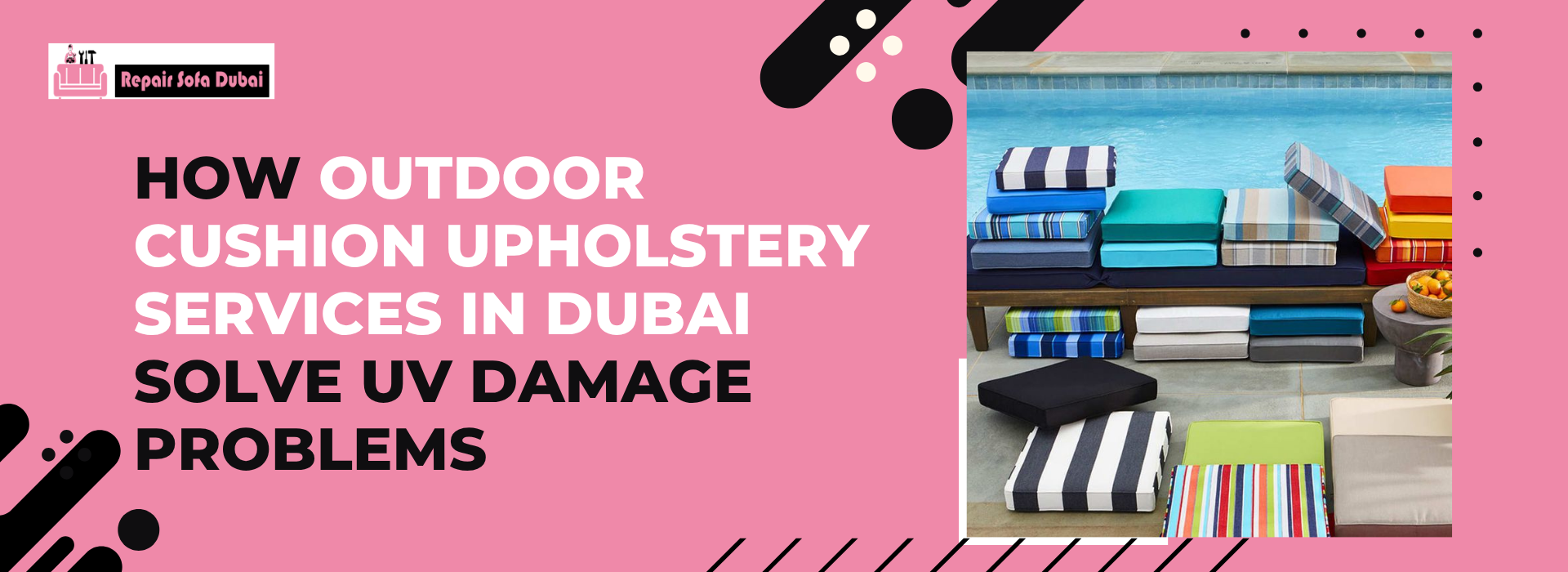
How Outdoor Cushion Upholstery Services in Dubai Solve UV Damage Problems

Dubai’s intense sun creates major problems for outdoor furniture owners every year. Cushions fade, crack, and deteriorate quickly under extreme heat and UV radiation. Many people replace entire furniture sets when simple upholstery solutions could save money and materials. This intense radiation damages outdoor fabrics faster than most other locations worldwide.

Understanding UV Damage in Dubai’s Climate

Dubai’s desert climate combines intense sunlight with extreme heat throughout most of the year. UV radiation breaks down fabric fibers at the molecular level over time. Colors fade first, then materials become weak and brittle.

Outdoor cushions face constant exposure to these damaging rays during daylight hours. Even shaded areas receive reflected UV radiation from surrounding surfaces. Sand, concrete, and water increase radiation exposure through reflection significantly.

Common Signs of UV Damage on Outdoor Cushions

Fading represents the first visible sign of UV damage on outdoor cushions. Bright colors turn pale and lose their original vibrancy quickly. Dark colors often develop lighter patches where sun exposure hits directly.

Fabric becomes brittle and starts cracking after extended UV exposure periods. Small tears appear along stress points and seams first. Eventually, entire sections of fabric split apart and become unusable.

How Professional Upholstery Services Address UV Damage

Outdoor cushion upholstery services specialize in replacing damaged fabrics with UV-resistant materials. UV-resistant fabric prevents outdoor furniture from fading and maintains its appearance longer. Professional services understand which materials work best in extreme climates.

Skilled technicians remove old, damaged fabric completely before installing new materials. This process ensures proper fit and eliminates any underlying damage issues. Fresh padding often gets installed when original materials show compression or deterioration.

UV-Resistant Fabric Options for Dubai Conditions

Sunbrella fabric offers excellent UV-resistant properties commonly used in patio furniture and outdoor applications. This material maintains color and structural integrity under extreme sun exposure. Many professional services recommend Sunbrella for Dubai’s challenging conditions.

Solution-dyed acrylic fabrics resist fading better than traditional materials in harsh climates. These fabrics incorporate color throughout the fiber rather than surface dyeing only. This construction provides superior fade resistance over time.

Protective Treatments and Coatings

Professional UV-blocking coatings treat outdoor fabrics with water-repellent and UV-blocking protection that helps resist stains and protect colors from sun damage. These treatments extend fabric life significantly when applied properly.

Spray-on protectants provide invisible yet powerful layers of protection, shielding outdoor fabrics from both UV rays and moisture while preserving color and integrity. Regular reapplication maintains protection levels over time.

Professional Assessment and Custom Solutions

Experienced upholstery professionals assess damage levels before recommending specific solutions for each situation. Minor fading might require simple fabric replacement only. Severe damage could require complete cushion reconstruction with new padding and support.

Outdoor cushion upholstery services in Dubai understand local climate challenges and material performance expectations. They recommend appropriate fabric weights, weaves, and treatments for specific exposure conditions. This expertise prevents premature failure of restoration work.

Conclusion

Outdoor cushion upholstery services in Dubai offer warranties on their work that protect customer investments. Professional installation and quality materials reduce the risk of premature failure significantly. These assurances make upholstery attractive alternatives to replacement options.

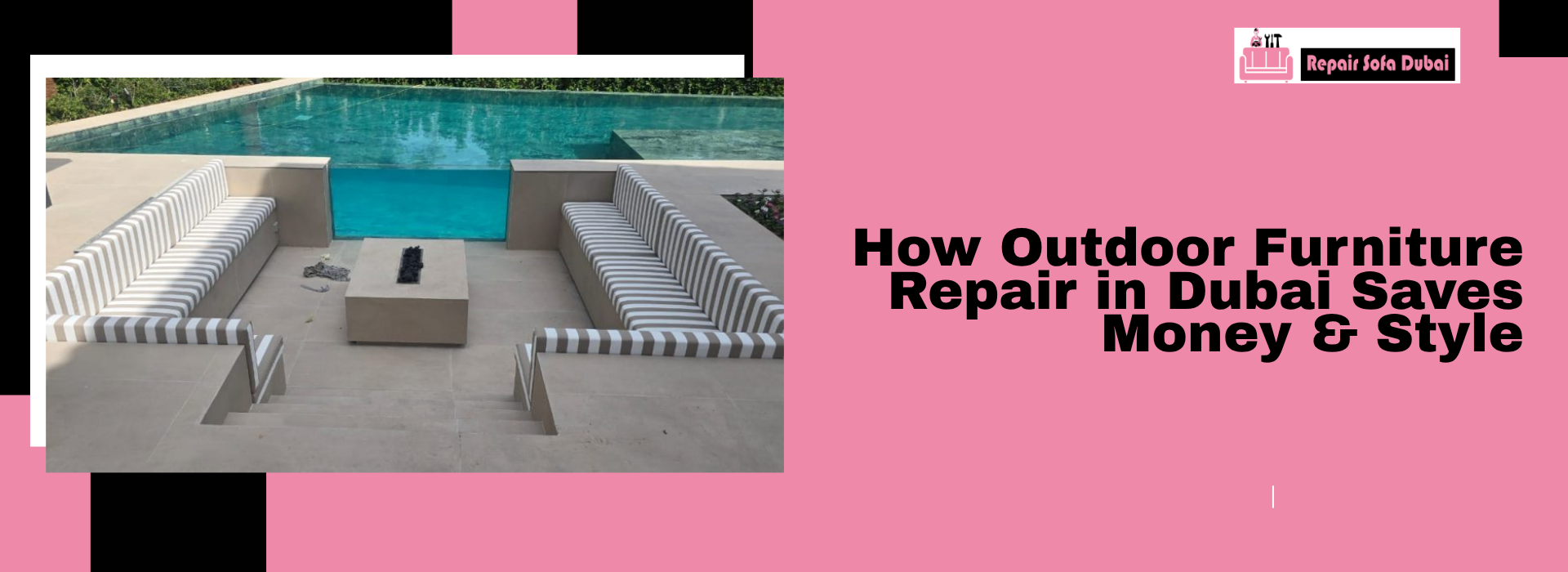
How Outdoor Furniture Repair in Dubai Saves Money & Style

Picture this: you step onto your terrace for your morning coffee and notice your once-beautiful patio set looking worn and weathered. The cushions are faded, the frames show signs of Dubai’s harsh elements, and you’re wondering if it’s time to start shopping for new furniture.

Before you open that wallet, consider this: outdoor furniture repair in Dubai might be the smartest financial and style decision you make this year.

The Hidden Costs of Dubai’s Climate on Your Investment

Dubai’s intense sun, occasional sandstorms, and humidity create a perfect storm for outdoor furniture deterioration. What many residents don’t realize is that quality outdoor furniture pieces can cost thousands of dirhams to replace, but professional restoration often costs just a fraction of that amount.

Think about your initial investment. That gorgeous dining set or lounge area didn’t come cheap, and with some furniture restoration services offering discounts, repair often makes better financial sense than replacement. Outdoor furniture repair in Dubai specialists understand the specific challenges our climate presents and can restore pieces to look virtually new.

When Repair Beats Replacement Every Time

Not every piece of worn furniture needs the trash bin. Here’s when outdoor furniture repair in Dubai becomes your best friend:

  • Structural integrity remains sound: If the frame is solid, but the cushions are faded or torn
  • Quality materials worth preserving: High-end teak, aluminum, or wrought iron pieces that just need refreshing
  • Sentimental value: That dining set where you’ve hosted countless family gatherings
  • Unique designs: Vintage or discontinued pieces that can’t be easily replaced

The Style Transformation Factor

Here’s where things get exciting. Outdoor furniture repair in Dubai isn’t just about fixing what’s broken—it’s about reimagining your outdoor space. Professional restoration allows you to update colors, switch out fabrics for more contemporary options, or even modify designs to better suit your current lifestyle.

Custom fabrication services can create soft foam, medium-density, and firm high-density outdoor foam in many shapes, meaning your comfort level can actually improve during the repair process. You’re not just getting your old furniture back—you’re getting an upgraded version tailored to your preferences.

Smart Financial Planning for Outdoor Living

With the UAE outdoor furniture market projected to grow by 1.34% through 2029, costs aren’t going down anytime soon. Investing in professional repair and protection services extends the life of your existing pieces dramatically.

Sustainable Choices for Modern Dubai

Beyond the financial benefits, choosing repair over replacement aligns with Dubai’s growing sustainability initiatives. You’re reducing waste, extending product lifecycles, and making environmentally conscious decisions that reflect the UAE’s vision for a more sustainable future.

Outdoor furniture repair in Dubai services often include protective treatments that help prevent future damage, meaning your refreshed pieces will withstand the elements better than they did originally.