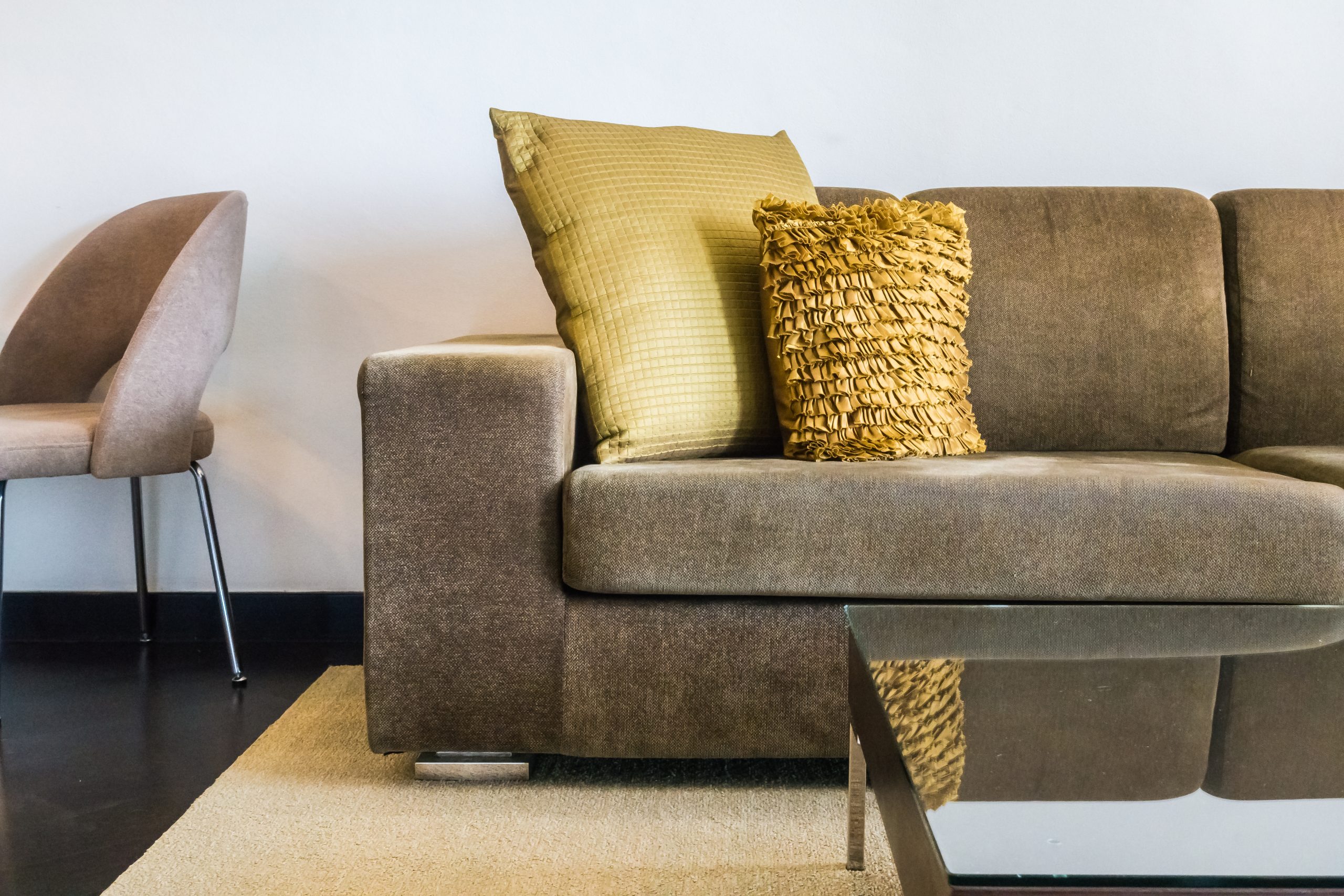
Upholstery is not a single thing — it is a craft that spans a wide range of furniture types, materials, techniques and industries. Understanding how upholstery is classified helps when choosing a service, specifying a fabric, or simply trying to understand what a quote or product description is referring to. This guide covers every major classification system used in the trade.
Classification 1: By Furniture Type
The most common way to classify upholstery is by the type of furniture it covers.
Residential Seating Upholstery
The largest category. Covers all padded and fabric-covered seating used in domestic settings — sofas, armchairs, dining chairs, accent chairs, recliners and ottomans. This is what most people picture when they hear the word upholstery. It is divided further into:
- Sofa and couch upholstery — the primary residential category
- Chair upholstery — covers dining, office, accent and occasional chairs
- Recliner upholstery — a technical sub-type requiring understanding of the mechanism
Bed and Bedroom Upholstery
Covers headboards, divan bed bases, and any fabric-covered bed frames. The padded element of a bed — the headboard panel and any fabric-covered side panels — is upholstery even though the object is a bed rather than a seat. Bed upholstery is a distinct service from sofa upholstery in terms of technique and material requirements.
Commercial and Contract Upholstery
Covers all upholstered furniture used in commercial settings — restaurants, hotels, offices, healthcare facilities and retail environments. Contract upholstery must meet stricter durability and fire safety standards than residential upholstery. The fabrics used are graded differently, the foam specifications are often higher, and the volume of work is typically larger.
Outdoor and Garden Upholstery
Covers cushions, seat pads and fixed covers for outdoor furniture. Outdoor upholstery uses UV-resistant, water-repellent and mould-resistant fabrics specifically engineered for exterior use — standard interior fabrics will not survive the UAE’s outdoor conditions.
Automotive Upholstery
Covers all fabric, leather and vinyl work inside vehicles — car seats, door panels, headliners, dashboards and centre consoles. Automotive upholstery is a specialist branch requiring knowledge of vehicle-specific patterns and materials.
Marine and Aviation Upholstery
Covers boat, yacht and aircraft interiors. Marine upholstery uses fabrics specifically engineered to resist saltwater, UV, mould and constant moisture exposure. Aviation upholstery is the most regulated, with strict material certifications required.
Classification 2: By Material
Upholstery is also classified by the primary covering material used.
- Fabric upholstery — woven textiles including polyester, cotton, linen, velvet, chenille, microfibre and performance fabrics
- Leather upholstery — genuine leather in full-grain, top-grain and corrected-grain grades. Our leather sofa upholstery service covers all grades.
- Faux leather / PU leather upholstery — synthetic leather-look materials; more affordable but less durable than genuine leather
- Vinyl upholstery — PVC-based covering commonly used in marine, automotive and commercial applications; waterproof and easy to clean
- Alcantara / microsuede upholstery — premium synthetic suede-like materials used in high-end automotive and residential applications
Classification 3: By Technique
Within the craft itself, different upholstery techniques produce different results and require different skills.
Traditional / Hand Upholstery
The historical method, still practised by specialist craftspeople for antique and high-end furniture. Traditional upholstery uses natural materials — jute webbing, coil springs, horsehair padding and hessian — built up in layers over a wooden frame, all hand-tacked and hand-sewn. It produces a result that can last for decades but is significantly more labour-intensive and expensive than modern methods.
Modern / Foam Upholstery
The contemporary standard method. Polyurethane foam is cut to shape and bonded or attached to the frame, wrapped in Dacron batting, and covered with fabric or leather applied using pneumatic staple guns. Modern upholstery is faster, more consistent and more affordable than traditional methods. It is what the vast majority of domestic furniture uses.
Tufted Upholstery
A decorative technique in which buttons are pulled through layers of foam and fabric to create a dimpled pattern — diamond tufting being the most common. Tufting is used decoratively on sofas (notably Chesterfield styles), headboards and accent chairs.
Channel Upholstery
A technique in which vertical or horizontal channels are created in the fabric and foam, producing a ribbed, linear pattern. Common in mid-century modern furniture and contemporary dining chairs.
Classification 4: By Application Setting
- Domestic / Residential upholstery — household furniture for private use
- Contract / Commercial upholstery — furniture for public or business use, subject to higher standards
- Hospitality upholstery — hotels, restaurants and entertainment venues; high-use, must combine durability with aesthetics. Our hotel furniture upholstery and restaurant chair upholstery services are specifically designed for this sector.
- Healthcare upholstery — clinical waiting rooms, treatment chairs and medical equipment; requires antimicrobial and cleanable-surface fabrics
- Transport upholstery — vehicles, aircraft, marine vessels
Classification 5: By Structural Role
A final classification distinguishes between:
- Fixed upholstery — permanently attached to the furniture frame; cannot be removed without tools. The back and arms of most sofas are fixed upholstery.
- Loose upholstery / loose covers — removable covers that slip over the frame. Slipcovers are the most common form of loose upholstery. They allow the furniture to be recovered or washed without permanent attachment.
- Cushion upholstery — the fabric covering of removable seat and back cushions. These are often replaced separately from the fixed upholstery on the frame.
Why Classification Matters
When requesting a quote or service, being clear about which type of upholstery you need prevents misunderstandings. Saying “I need my dining chairs reupholstered” tells a workshop you want chair upholstery work in a residential setting. Saying “I need contract-grade upholstery for twenty restaurant chairs” tells them something entirely different in terms of material specification, volume and pricing. The classification determines the fabric grade, the technique, the pricing and the turnaround time.
