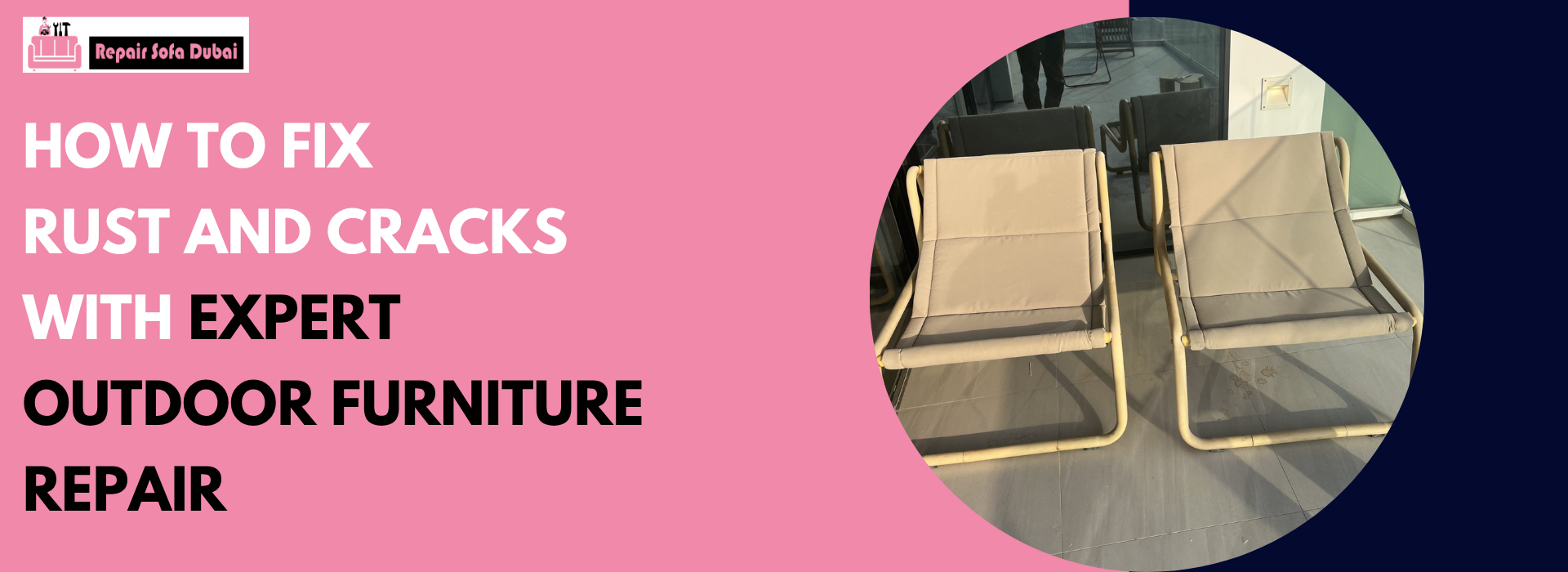
Outdoor furniture faces tough conditions every single day. The hot sun beats down on it. Rain soaks through it. Dust settles on every surface. Over time, these elements take their toll. Metal pieces start showing rust spots. Wooden furniture develops cracks. Your once-beautiful patio set starts looking tired and worn.
But most damage can be fixed. You don’t always need to throw away your outdoor furniture and buy new pieces. With the right outdoor furniture repair techniques, you can bring your garden furniture back to life.
Understanding Rust on Outdoor Furniture
Rust happens when metal meets moisture and oxygen. In places like the UAE, humidity makes this problem worse. Metal furniture is especially vulnerable to corrosion because of factors like humidity, temperature, and the quality of the metal itself. Salt in coastal air speeds up rust even more.
The rust usually starts as small brown spots. If you ignore these spots, they grow bigger. The metal gets weaker. Eventually, the rust eats through the metal completely. Rust is particularly common in humid or coastal areas, where moisture and salt quickly corrode metal surfaces.
How to Fix Rust Problems?
Fixing rust isn’t complicated, but it takes patience. Start by cleaning the rusty area with warm water and dish soap. Let it dry completely. Water left on metal will just create more rust.
Next, use sandpaper or a wire brush to remove the rust. For small spots, 120-grit sandpaper works well. For stubborn rust, try a wire brush attachment on a drill. Sand until you see clean metal underneath.
After removing the rust, clean the area again. Apply a rust converter if the rust is deep. This product stops any remaining rust from spreading. Then apply a metal primer to protect the bare metal.
Understanding Cracks in Wooden Furniture
Wooden outdoor furniture cracks for different reasons. Changes in humidity cause wood to expand and contract, creating stress that results in small surface cracks called “checks”. Direct sunlight dries out the wood. Temperature changes make the problem worse.
Some cracks are harmless. Tiny hairline cracks often appear naturally as wood ages. These don’t hurt the furniture’s strength. But wider cracks need attention before they spread.
Small surface cracks are normal and don’t affect furniture strength, but wider cracks that don’t go through the wood require filling, while structural cracks need professional help.
Fixing Small Cracks
For tiny cracks, the repair is simple. Clean the crack with a brush or compressed air. Remove all dirt and debris. Let the area dry completely.
Apply a few drops of super glue or wood glue, depending on the crack size, then immediately sand the area with 150-grit sandpaper to fill the crack with wood dust and permanently close it. This method creates a nearly invisible repair.
For slightly bigger cracks, use wood filler. Choose a color that matches your furniture. Apply the filler with a putty knife. Smooth it level with the wood surface. Let it dry overnight. Sand the area smooth once dry.
Final Thoughts
Your outdoor furniture represents a real investment. Taking care of it makes sense. Regular cleaning, prompt repairs, and proper protection keep furniture looking good for many years.
Rust and cracks don’t mean the end for your patio furniture. Most damage can be fixed with basic tools and a little effort. For serious problems, professional furniture repair services provide expert solutions.
