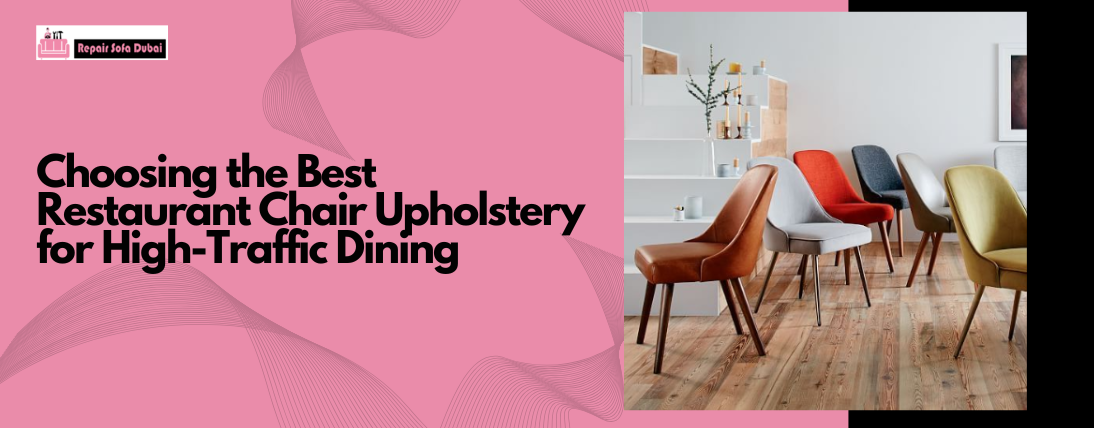
Restaurant owners in Dubai face a unique challenge when it comes to their furniture. The chairs in dining spaces work harder than most people realize. Every day, dozens or even hundreds of guests use these seats. This constant use takes a toll on the upholstery.
Selecting the right restaurant chair upholstery is not just about looks. It affects customer comfort, business image, and long-term costs. The wrong choice leads to frequent replacements and unhappy diners. The right choice creates a welcoming space that lasts for years.
Why Quality Upholstery Matters for Business Success
First impressions shape customer perceptions immediately. Guests notice the condition of the seating as soon as they sit down. Worn, stained, or torn upholstery sends a negative message about the establishment. Fresh, well-maintained chairs suggest quality and care throughout the restaurant.
Comfort directly impacts the dining experience and customer satisfaction. Uncomfortable seating makes guests rush through meals. Quality upholstery fabric for restaurants with proper padding encourages people to relax and enjoy their time. This often leads to higher spending and repeat visits.
Best Fabric Materials for Restaurant Chairs
Vinyl Upholstery
Vinyl stands as one of the most practical choices for busy dining spaces. This material resists stains and cleans easily with simple wiping. Spills do not penetrate the surface, making cleanup quick and efficient. Many casual dining establishments prefer vinyl for these reasons.
Commercial-grade vinyl comes in various textures and colors that mimic leather and fabric. Modern vinyl options look sophisticated while offering superior durability. The material handles constant use without showing significant wear for several years.
Leather Options
Leather upholstery brings elegance and sophistication to dining spaces. Real leather develops a beautiful patina over time rather than looking worn. It suits upscale restaurants where ambiance plays a key role. Guests often associate leather seating with quality and luxury.
Proper maintenance keeps leather looking good for many years. The material breathes well, which matters in Dubai’s warm climate. Leather restaurant chairs require regular conditioning but reward owners with longevity.
Microfiber Fabrics
Microfiber combines the soft feel of fabric with practical performance features. Liquids bead up on the surface rather than soaking in immediately. This gives staff time to clean spills before they become permanent marks.
The fabric feels comfortable against the skin and maintains its appearance well. Microfiber does not fade easily under bright lighting or sunlight. It performs especially well in family-friendly dining environments.
Polyester Blends
Durable restaurant upholstery often includes polyester in its composition. The synthetic fibers bounce back from compression better than natural materials. This means cushions maintain their shape and support longer.
Key Features to Consider When Choosing Upholstery
Abrasion Resistance Ratings
The abrasion rating indicates how well the fabric withstands rubbing and friction. This measurement uses double rub tests to determine durability. Residential fabrics typically rate around 15,000 double rubs. Restaurant seating needs ratings of at least 30,000 for adequate performance.
Water and Stain Resistance
Protective coatings on fabric create a barrier against liquids and stains. Untreated fabrics absorb moisture quickly, leading to permanent damage. Water-resistant upholstery maintains its appearance despite daily challenges.
Some fabrics feature built-in stain resistance through their fiber construction. Understanding the type of protection helps with maintenance planning. Stain-resistant upholstery reduces cleaning costs and replacement frequency.
Color and Pattern Selection
Color choice affects both aesthetics and practical maintenance needs. Light colors show stains and dirt more quickly than darker shades. Very dark fabrics highlight dust, lint, and light-colored spills.
Patterns disguise minor stains and wear spots effectively. Small geometric or textured patterns work better than large designs. Solid colors show every imperfection but offer design simplicity. The decision depends on the restaurant’s style and maintenance capabilities.
Making the Final Decision
Choosing restaurant chair upholstery requires balancing multiple factors simultaneously. Durability, comfort, appearance, and budget all play important roles. The best choice depends on the specific restaurant type and customer base. Fast-casual locations need different solutions than fine dining establishments.
