Warehouse number 5 Al asayel street Al quez 3 dubai UAE

Frame Damage in Sofas: Signs You Need Immediate Sofa Repair

Your sofa suddenly feels different when you sit down. Maybe it wobbles slightly. Perhaps you hear creaking sounds that weren’t there before. These aren’t just normal wear and tear signs. They could indicate serious frame damage that needs attention quickly.

Frame damage is one of those problems people often ignore until it becomes much worse. Understanding the warning signs helps you catch issues early, when sofa repair costs less and takes less time.

Clear Signs Your Sofa Frame Needs Repair

Wobbling ranks as the most obvious warning sign. Set a glass of water on your sofa arm. If it moves when someone sits down, your frame likely has loose joints or cracked wood.

Sagging seats often indicate frame problems, not just worn cushions. Press down on different seating areas. If one section sinks much lower than others, the frame beneath probably has damage.

Visible cracks in wooden parts are serious red flags. Check sofa legs, arms, and any exposed frame sections. Small cracks grow larger under continued weight and stress.

Why Does Frame Damage Happen?

Daily use naturally stresses sofa frames. People sitting heavily, children jumping, and general movement all take their toll. Over the ears, this constant pressure weakens joints and can cause cracks in wood.

Moving furniture improperly causes immediate damage. Lifting sofas by their arms or dragging them across floors puts stress on connections that weren’t designed for that force.

Dubai’s climate creates unique challenges. Temperature fluctuations between the air-conditioned indoors and the hot outdoors make wood expand and contract. This movement weakens glue joints and can cause splitting.

Immediate Risks of Ignoring Frame Damage

Small cracks become large breaks. What starts as a hairline fracture spreads under continued use. Suddenly, a minor repair becomes a major reconstruction project.

Safety concerns arise with badly damaged frames. Broken frames can collapse unexpectedly. This risks injury, especially for children or elderly family members who might not react quickly.

Connected damage happens, too. Broken frame,s stress springs, and webbing systems. What starts as frame repair expands to include broken springs adjustment and webbing replacement as well.

What Professional Sofa Repair Actually Involves

Professional repair starts with a thorough assessment. Technicians examine the entire frame structure, not just obvious problem areas. Hidden damage often exists alongside visible issues.

Sofa repairing services in Dubai typically disassemble affected sections. They can’t fix internal frame problems while upholstery and cushions remain in place. Removal allows proper access to damaged wood.

Broken pieces get reinforced or replaced. Small cracks receive wood glue and clamping. Larger breaks need sister boards for support. Complete breaks require new wood sections custom-fitted to match existing frame dimensions.

Finding Reliable Repair Services in Dubai

Dubai has numerous furniture repair options, but quality varies significantly. Look for services with experienced craftsmen who specialize in structural repairs, not just upholstery work.

Areas like Arabian Ranches, Damac Hills, and Dubai Hills have many furniture repair services due to high residential density. However, good repair companies serve all Dubai locations, including Al Barsha, Silicon Oasis, and Downtown Dubai.

Services offering webbing replacement and broken springs adjustment alongside frame repairs demonstrate comprehensive capability. Frame damage rarely exists in isolation; connected systems usually need attention, too.
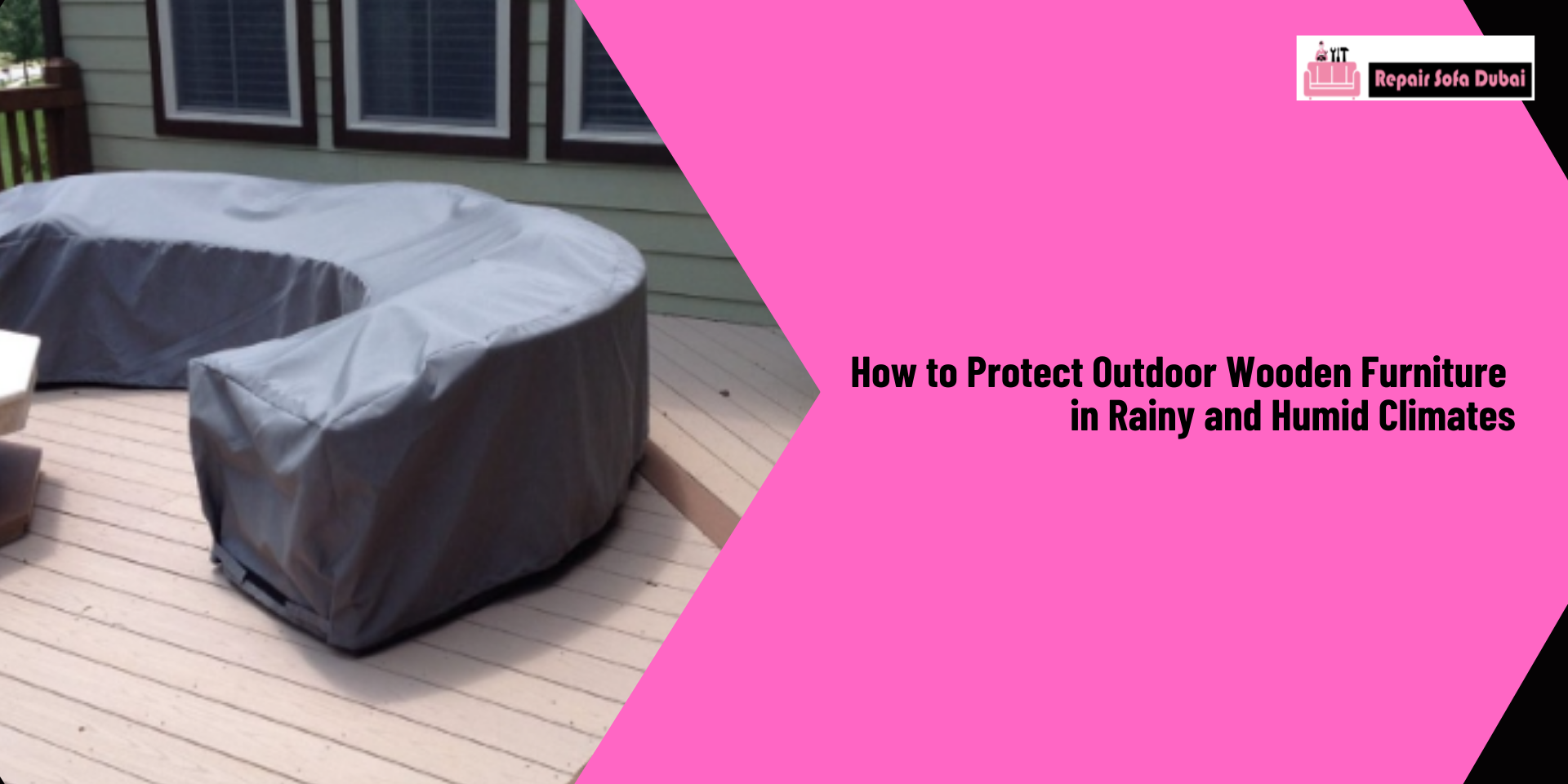
How to Protect Outdoor Wooden Furniture in Rainy and Humid Climates

Outdoor wooden furniture adds beauty to any garden or patio. However, rainy and humid weather can damage wood quickly. The UAE experiences high humidity levels throughout the year. This makes protecting wooden furniture essential for homeowners.

Wood naturally absorbs moisture from the air. When humidity levels stay high, the wood swells and expands. This causes cracks, warping, and structural damage over time.

Choose the Right Type of Wood

Some wood types handle humidity better than others. Teak wood furniture contains natural oils that repel water. This makes it an excellent choice for outdoor use. Acacia and eucalyptus also resist moisture damage effectively. Cedar wood naturally fights against rot and insect damage. Softwoods like pine need more frequent maintenance in humid climates.

Apply Protective Sealants Regularly

Sealants create a protective barrier on the wood surface. This barrier prevents moisture from entering the wood. Wood sealant products come in different types, including oil-based and water-based options.

Clean the furniture thoroughly before applying any sealant. Remove all dirt, dust, and old finish. Let the wood dry completely for at least 24 hours. Apply thin, even coats with a brush or clean cloth.

Reapply sealant every six months for best results. This routine maintenance keeps the protective layer strong. Check the furniture after heavy rains to see if reapplication is needed sooner.

Use Waterproof Furniture Covers

Quality covers protect furniture from direct rain exposure. Waterproof furniture covers should fit snugly but allow air circulation. Trapped moisture under tight covers can cause mould growth.

Remove covers on sunny days to let the furniture breathe. This prevents condensation buildup underneath. Choose covers made from breathable materials that resist UV damage.

Store covers properly when not in use. Clean and dry them before folding to prevent mildew. Replace worn covers that no longer provide adequate protection.

Watch for Early Signs of Damage

Regular inspections help catch problems before they become serious. Look for these warning signs:

  • Small cracks or splits in the wood surface
  • Soft, spongy areas that indicate rot
  • Dark discolouration or water stains
  • Loose joints or unstable connections
  • Peeling or flaking finish

Elevate Furniture Off the Ground

Place furniture on stands or feet that lift it off wet surfaces. This prevents water from pooling around the base. Better air circulation underneath helps the wood stay dry. Use furniture pads or coasters under legs. Replace damaged pads that no longer provide proper elevation.

Position Furniture Strategically

Place wooden furniture in areas with natural shelter when possible. Trees and pergolas provide shade from direct sun. Covered patios offer protection from rain while allowing outdoor enjoyment.

Rotate furniture positions occasionally to ensure even sun exposure. This prevents uneven fading and weather damage. Moving pieces also helps identify problem areas in the garden.

The Long-Term Benefits of Protection

Proper outdoor furniture protection saves money over time. Well-maintained wooden furniture lasts many years longer than neglected pieces. Regular care prevents costly repairs or premature replacement.

Protected furniture maintains its attractive appearance season after season. The natural beauty of wood shines through when properly cared for. Outdoor spaces look better with furniture in good condition.

Request A Callback